پنجشنبه ۱۴۰۲/۰۲/۲۱

استراتژی چندجانبه ایران در برابر اسرائیل

استراتژی-چندجانبه-ایران-در-برابر-اسرائیل
رصدخونه  :رصدگر
لینک منبع اصلی

مقدمه

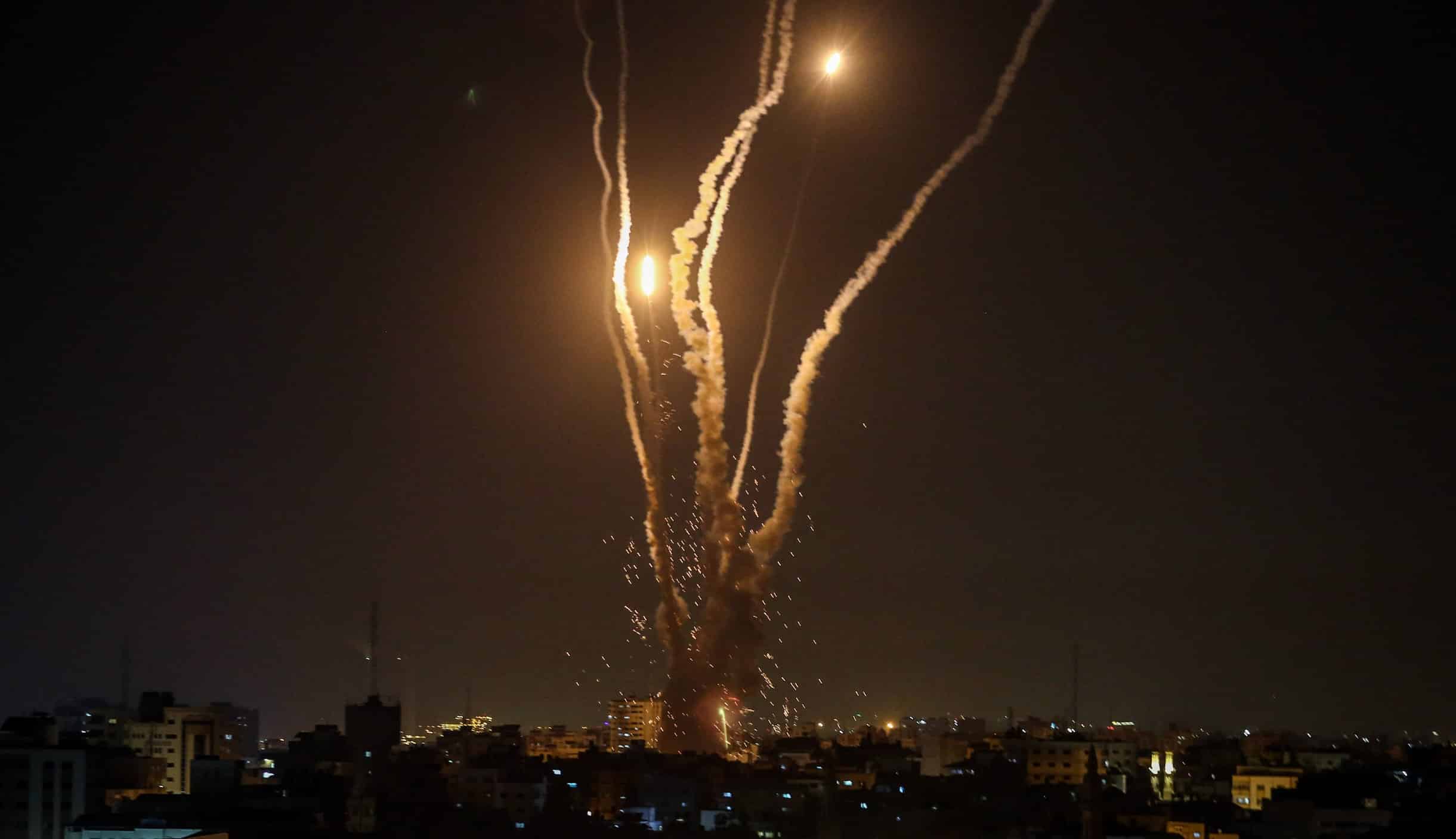
موشک‌های غزه در 10 می، تنها چند هفته پس از جشن 75 سالگی اسرائیل، به سمت تل آویو شلیک شد . علی رغم همه مسائل، این کشور با وجود جنگ های متعدد با همسایگان خود، ازکمبود منابع طبیعی و چالش های بی شمار دیگر جان سالم به در برده است. اما موشک ها یادآور این هستند که هیچ پیروزی دائمی در خاورمیانه وجود ندارد. فقط در نبردهای دائمی این احتمال وجود دارد که اسرائیل برای اولین بار پس از نزدیک به نیم قرن با یک جنگ جدی با دشمنانی که از طرف‌های مختلف به سمت آن می‌آیند مواجه شود ،جنگی که خارج از جمهوری اسلامی ایران هماهنگ شده بود، اما در امتداد مرزهای اسرائیل توسط نیروهای نیابتی ایران انجام شد . در واقع، درست یک روز قبل از رگبار موشکی، بنیامین نتانیاهو، نخست وزیر اسرائیل، علناً از تلاش ایران برای شروع یک کارزار جنگ چند جبهه ای علیه اسرائیل صحبت کرد.

اسرائیل این جنگ را برای یک دهه با به راه انداختن یک کمپین به نام منطقه خاکستری و طیف وسیعی از عملیات ها علیه ایران و گروه های نیابتی اش درست زیر آستانه جنگ، متوقف کرده است. اما پس از یک ماه پرتنش یعنی ماه رمضان در سال 2023، که طی آن ده‌ها راکت به حریم هوایی اسرائیل از لبنان و نوار غزه شلیک شد، مقامات نظامی اسرائیل اکنون آشکارا هشدار می‌دهند که ممکن است اولین جنگ چندجانبه اسرائیل پس از جنگ یوم کیپور در سال 1973 قریب‌الوقوع باشد.

حضور اسرائیل در سوریه

کمپین« بین جنگ‌ها» ی اسرائیل در سال 2013 آغاز شد، اگرچه منشأ آن را می‌توان در انهدام رآکتور هسته‌ای سوریه در سال 2007 و استقرار ویروس رایانه‌ای قدرتمند استاکس‌نت که تأسیسات هسته‌ای ایران را در سال 2010 هدف قرار داد، جستجو کرد اما هر دو عملیات بدون تلافی انجام شدند و هیچ یک باعث درگیری آشکار نشد. اما در سال 2013 بود که اسرائیل با هدف جلوگیری از یک جنگ بزرگ، سیاست رسمی عملیات مستمر در منطقه خاکستری علیه ایران را اتخاذ کرد.

برخی در اسرائیل کمپین بین جنگ‌ها را پیشروی محدود علیه فعالیت‌های ایران در سوریه جنگ‌زده توصیف می‌کنند، جایی که هزاران حمله هوایی اسرائیل دارایی‌های ارزشمند دولت سوریه را در طول یک دهه از بین برده است. دیگران دیدگاه گسترده تری دارند. آنها به گزارش‌های مطبوعات خارجی اشاره می‌کنند که نشان می‌دهد یک کمپین گسترده با هدف قرار دادن توانایی‌های ایران (فقط با موارد نادر از انتقام‌جویی ایران) در دریاهای آزاد،  فضای مجازی و حوزه‌های مالی و روانی، در سوریه، داخل ایران و فراتر از آن تشکیل شده است.

اسرائیل در سوریه موفقیت های چشمگیری کسب کرده است. تلاش‌های نیروهای دفاعی اسرائیل، طرح‌های ایران برای ایجاد یک پایگاه جدید شبیه حزب‌الله در بلندی‌های جولان را خنثی کرده است. دولت سوریه بارها تلاش کرده تا دارایی ها و پرسنل خود را به مرز منتقل کند. اسرائیل بارها و بارها اکثر آنها را نابود کرده است. شبه‌نظامیان مورد حمایت ایران هنوز در سوریه فعالیت می‌کنند، اما عموماً منصرف شده‌اند.

تسلیحات پیشرفته دارای مهمات هدایت شونده دقیق حزب الله

همزمان، اسرائیل در تلاش است تا ایران را از مسلح کردن حزب‌الله (که در لبنان فعالیت می‌کند) به آنچه ارتش اسرائیل «سلاح‌های تغییردهنده بازی» می‌نامد، بازدارد. طی دهه گذشته، ایران قطعات تسلیحات پیشرفته و حتی کل سیستم‌ها را در مسیر پایگاه‌های حزب‌الله لبنان به سوریه قاچاق کرده است. اینها مهمات هدایت شونده دقیق (PGM) هستند و هیچ بازیگر غیر دولتی هرگز آنها را در گذشته نداشته است. تهران و حزب الله حاضرند خسارات قابل توجهی را متحمل شوند (حمل کردن هر چیزی در میانه تیراندازی خطرناک است) تا حتی مقادیر کمی از این سلاح ها را به دست آورند. برخلاف موشک‌های «گنگ» یا هدایت‌نشده‌ای که حزب‌الله و حماس در گذشته به سمت اسرائیل شلیک کرده‌اند، این موشک‌ها مجهز به سیستم‌های ناوبری هستند. آنها می توانند با خطای 10 متری به هدف مورد نظر حمله کنند.

ترس از حمله دقیق موفقیت آمیز به تاسیسات هسته ای دیمونا یا کارخانه مواد شیمیایی در حیفا، اسرائیلی ها را مشغول نگه داشته است. ارتش اسرائیل با استفاده از منابع اطلاعاتی گسترده خود برای نابود کردن تقریباً تمام قطعات PGM  که ایران سعی کرده است مخفیانه آنها را وارد لبنان کند، کار قابل توجهی انجام داده است. مقامات اسرائیلی بی سر و صدا می گویند که حزب الله اکنون "چند صد" PGM در اختیار دارد. دبیرکل این گروه، حسن نصرالله، آشکارا به زرادخانه خود می بالد. گزارش های جدید حاکی از آن است که حزب الله حداقل یک مرکز تولید PGM دارد.این مهمات هدایت شونده دقیق زرادخانه موجود یعنی بیش از 150000 موشک حزب الله را تقویت خواهند کرد (علی رغم قطعنامه های سازمان ملل که صریحاً این کار را ممنوع می کند)،که این کار با هدف غلبه بر دفاع اسرائیل در درگیری آینده انجام می شود.

مهمات هدایت شونده دقیق تنها چالش در لبنان نیست. حماس که عمدتاً در غزه مستقر است، اخیراً نشان داد که هم پرسنل و هم توانایی حمله به اسرائیل از شمال را دارد. در سال‌های 2017 و 2018، اسرائیل شکایت‌های رسمی خود را به سازمان ملل ارائه کرد و خاطرنشان کرد که حماس با حزب‌الله و حامی آن در تهران برای گسترش فعالیت‌های مخرب خود در لبنان تبانی کرده است. برای چندین سال، شواهد کمی برای حمایت از این ادعا وجود داشت. با این حال، در طول جنگ 11 روزه بین حماس و اسرائیل در سال 2021، "رادیکال های فلسطینی" ناشناس در سه نوبت مجزا در مجموع 13 موشک به سمت اسرائیل شلیک کردند. این موشک ها یا توسط سامانه پدافند هوایی گنبد آهنین اسرائیل خنثی شدند یا به دریای مدیترانه سقوط کردند و هیچ گاه نام مقصر اعلام نشد.

تنش اسرائیل با نیروهای نیابتی ایران در ماه آوریل

در اوایل سال جاری، در بحبوحه تشدید تنش ها در تعطیلات ماه رمضان در ماه آوریل، حماس با وقاحت بیش از 30 راکت به سمت اسرائیل شلیک کرد و سه نفر در این راکت پرانی مجروح شدند . ارتش اسرائیل به سمت مواضعی که موشک ها از آنجا پرواز کرده بودند توپخانه شلیک کرد، اما در آنجا متوقف شد. مسلماً اگر هدف حماس کشاندن اسرائیل به یک جنگ دو جبهه بود،  این شکست خورد. اما برخی از شاهین‌های امنیتی در اسرائیل از اینکه بنیامین نتانیاهو، نخست‌وزیر اسرائیل نتوانست حزب‌الله را پاسخگو کند، ناامید شدند.

چند روز بعد، در 9 آوریل، رهبران حماس و حزب الله در بیروت دیدار کردند تا درباره استراتژی مشترک خود علیه اسرائیل گفتگو کنند. آنها عکس‌هایی را منتشر کردند که مکالماتشان را در زیر عکس‌های روح‌الله خمینی رهبر سابق ایران و علی خامنه‌ای رهبر کنونی ایران به تصویر می‌کشد. پیام غیرقابل انکار بود: محور تحت رهبری ایران در حال آماده شدن برای جنگ چند جبهه ای با اسرائیل است.

انتشار این عکس پیامی جسورانه برای اسرائیلی‌ها بود که سابقه‌ای چشمگیر در حذف عوامل تهدید از میدان نبرد دارند. اما این عکس هدف عمیق تری داشت. به اسرائیل تاکید کرد که تهدید نیابتی ایران تکامل یافته است. چندین سال است که گزارش های پراکنده به وجود یک "مرکز عصبی" در بیروت اشاره می کند. شرکت کنندگان شامل شخصیت های ارشد سپاه پاسداران انقلاب اسلامی ایران و همچنین حزب الله، حماس، جهاد اسلامی فلسطین و سایر گروه ها هستند. بنا بر گزارش‌ها، مرکز عصبی برای هماهنگ کردن فعالیت‌های گروه‌های مورد حمایت ایران و هدف قرار دادن کارآمدتر اسرائیل طراحی شده است.

نشانه هایی از وجود این مرکز عصبی برای اولین بار در طول جنگ موشکی سال 2021 بین اسرائیل و حماس آشکار شد. خشونت به طور همزمان در چندین شهر عربی-اسرائیلی رخ داد که نشان دهنده کمی هماهنگی است. پس از پایان جنگ، مقامات اسرائیلی به افزایش خشونت در کرانه باختری اشاره کردند. گروه های تروریستی جدید، از جمله یکی به نام لانه شیرها، ناگهان حضور خود را اعلام کردند. همزمان، جیب های کرانه باختری، از جمله در شهرهای بزرگی مانند جنین و نابلس، بدون قانون در حال افزایش بودند. نیروهای امنیتی تشکیلات خودگردان فلسطین نتوانستند کنترل خود را به دست بیاورند و ارتش اسرائیل را مجبور به انجام عملیات بیشتر کرد.

تحولات کرانه باختری

ترکیبی از بی‌احتیاطی تشکیلات خودگردان و بی‌قانونی درکرانه باختری، اسرائیل را در وضعیت باخت قرار می‌دهد. اگر نیروهای اسرائیلی در این مناطق عملیات نمی کردند، تهدید بیشتر می شد. در عین حال، حضور نیروهای اسرائیلی در این مکان‌ها موجب افراط‌گرایی بیشتر در میان فلسطینی‌ها شد. بر اساس داده های جمع آوری شده توسط بنیاد دفاع از دموکراسی ها، تنها از مارس سال گذشته بیش از 1500 حمله تروریستی، اسرائیلی ها را در کرانه باختری و بر فراز خط سبز هدف قرار داده اند.

سرویس‌های امنیتی اسرائیل بر این باورند که حزب‌الله (از طریق ایران) منبع اصلی تسلیحات در کرانه باختری است. اما ممکن است بازیگران دیگر نیز وجود داشته باشند. در ماه آوریل، یک نماینده پارلمان اردن در پل آلنبی، بین اردن و کرانه باختری، با مقدار زیادی سلاح همراه با بیش از 6 میلیون دلار طلا دستگیر شد. پادشاهی هاشمی در سال‌های اخیر یکی از منابع ضد اسرائیلی و حتی مخالف پیمان ابراهیم بوده است، اما بعید است که امان از چنین تلاش جسورانه‌ای برای مسلح کردن فلسطینی‌ها حمایت کند.

تغییر استراتژی حماس

نوار غزه از زمانی که گروه شبه نظامی تحت حمایت ایران یعنی حماس آن را با زور در جنگ داخلی فلسطین در سال 2007 تصرف کرد، منبع خشونت های وحشتناک بوده است و در سال 2021، شعله هایی از آتش را به پا کرده است . با این حال، طی دو سال گذشته، حماس خویشتنداری نادری از خود نشان داده است.

مقامات امنیتی اسرائیل در اکتبر 2022 گفتند که این آرامش نسبی نتیجه استراتژی جدید حماس است. این گروه به جای ادامه ضرب و شتم های منظم خود توسط اسرائیل در زمین های خانگی به دنبال صدور خشونت به کرانه باختری است. این یک استراتژی منطقی است. استفاده از کرانه باختری به این شیوه، رقیب سیاسی حماس، یعنی تشکیلات خودگردان فلسطین را تضعیف می کند و در عین حال اسرائیل را بی ثبات می کند. این احتمالاً توضیح می دهد که چرا تنها چند ده راکت در ماه رمضان امسال به خارج از غزه شلیک شد.

با این حال، اشتباه است که حماس را عملگراتر بدانیم. اولاً، به وضوح از سکوت به عنوان فرصتی برای بازسازی دارایی های نظامی خود از جنگ 2021 و جنگ های قبل استفاده می کند. علاوه بر این، همانطور که دیدیم، گروه مورد حمایت ایران اکنون دارایی هایی در کرانه باختری و لبنان دارد. و از همه مهمتر، می تواند درگیری سه جبهه را به میل خود حل کند. در این سناریو، حزب‌الله از لبنان به نبرد می‌پیوندد، شبه‌نظامیان شیعه می‌توانند از سوریه بپیوندند و ایران می‌تواند موشک‌های خود را از دور شلیک کند.

حماس زمانی که به طور گسترده به عنوان یک تهدید تاکتیکی برای اسرائیل تلقی می شد،اکنون به یک تهدید فراملی تبدیل شده است.  این گروه بدون جمهوری اسلامی ایران نمی توانست به این مهم دست یابد. در واقع، رهبران حماس به ابزارهای مایل در برنامه های ایران برای جنگ با اسرائیل تبدیل شده اند.اما  این احتمال وجود دارد که بسیاری از آنها به زودی هزینه نهایی را بپردازند.

نقش مبهم آمریکایی ها در تنش های اخیر

نقش آمریکایی در این درام در حال گسترش مبهم است. از یک سو، در میان موشک های ماه رمضان، پنتاگون ناو یو اس اس را به منطقه  اعزام کرد. حضور زیردریایی اتمی مجهز به بیش از 150 موشک تاماها در آب‌های نزدیک ایران پیامی غیرقابل انکار از بازدارندگی داشت. در ژانویه، ایالات متحده همچنین رزمایش Juniper Oak 23 را با اسرائیل انجام داد که بزرگترین تمرین در تاریخ روابط ایالات متحده و اسرائیل بود. اینجا هم مخاطب مورد نظر تهران بود.

با این حال، همزمان، دولت بایدن همچنان به گره زدن خود در تلاش برای متقاعد کردن حکومت ایران برای دستیابی به یک توافق هسته‌ای جدید برای جانشینی توافق سال 2015 که با میانجیگری باراک اوباما و دو سال بعد توسط دونالد ترامپ لغو شد، ادامه می‌دهد. آنچه در حال حاضر بر روی میز گزارش شده است، توافقی «کمتر برای بیشتر» است که مقامات اسرائیلی را به طور قطعی عصبی می کند. چنین توافقی محدودیت‌های کمتری را برای پیشرفت‌های جسورانه هسته‌ای ایران در ازای امتیازات بیشتر غرب ایجاد می‌کند. چنین ترتیبی به خوبی می تواند بمب هسته ای ایران را فعال کند.

نزدیکی ایران و عربستان و نگرانی اسرائیل

اسرائیل همچنان از کاخ سفید می خواهد که از میز مذاکره کناره گیری کند. دیگر بازیگران منطقه ای این درخواست را یک کار احمقانه می دانند. برخی از واشنگتن دست برداشته اند. سعودی ها تا آنجا پیش رفتند که با رقبای ایرانی تقریبا هسته ای خود به توافق رسیدند. این توافق موج شوک را در واشنگتن ایجاد کرد، در درجه اول به این دلیل بود که دولت چین میانجی آن توافق بود.

اسرائیلی ها به دلایل دیگری نگران بودند. نزدیکی عربستان و ایران می تواند تلاش اسرائیل برای عادی سازی روابط با سعودی ها را متوقف کند. لفاظی های زشت دولت بایدن در قبال ریاض (برخی مستحق و برخی کاملاً بیهوده) چنین توافقی را بسیار بعید جلوه داده بود. پیروزی دیپلماتیک پکن ممکن است ناقوس مرگ باشد.

با این حال، اسرائیلی ها حاضر به تسلیم شدن نسبت به معامله با ریاض نیستند. معامله با متولی دو مسجد مقدس اسلام می تواند یک اثر عادی سازی دومینویی را برای سایر کشورهای مسلمان ایجاد کند که در مورد روابط خود با دولت یهودی حصار بسته اند. حتی برخی از اسرائیلی‌ها معتقدند که سعودی‌ها در تلاش هستند تا مخالفان احتمالی خود را پیش از توافق عادی‌سازی نزدیک‌تر کنند. اما این ممکن است صرفا یک آرزو باشد. چندین کشور عربی (به ویژه امارات و اردن) از الگوی عربستان در تعامل با جمهوری اسلامی پیروی کرده اند. این دقیقاً چه معنایی برای اسرائیل دارد، هنوز مشخص نیست. اما زمانی که متحدان کلیدی منطقه‌ای آمریکا شروع به نزدیکی با یک کشور سرکش که اورانیوم غنی می کند و بارها وعده نابودی اسرائیل را داده است، یافتن پوشش نقره کار دشواری است. سوالی که اسرائیلی ها می پرسند این است که آیا آمریکا دارد خاورمیانه را از دست می دهد ؟

بنیامین نتانیاهو در دسامبر 2022 با کارهای ناتمام به عنوان نخست وزیر اسرائیل بازگشت. زمانی که ایران شروع به پیگیری برنامه هسته ای غیرقانونی خود کرد، او نخست وزیر بود. او سرسخت ترین منتقد قرارداد هسته ای اشتباه باراک اوباما با ایران  در سال 2015 بود. او ریاست برخی از جسورانه ترین عملیات های  موساد علیه تهران، از جمله کرم استاکس نت فوق الذکر و همچنین چندین ترور برجسته دانشمندان هسته ای ایران و حمله به انبارهای ایران در سال 2018 را بر عهده داشت که صدها هزار پرونده محرمانه هسته ای ایران را کشف کرد. پرونده ها ثابت کرد که ایران در مورد نیات نسل کشی خود دروغ می گوید.

اصلاحات قضایی نتانیاهو و اعتراضات درون اسرائیل

نتانیاهو پس از آغاز به کار مجدد، پرونده ایران را کنار گذاشت تا دستور کار دیگری را دنبال کند: بازنگری قضایی. چپ ها و مرکز اسراییل در اعتراض به خشم آمدند. هزاران نفر برای هفته‌ها به خیابان‌ها آمدند و ترافیک را به هم ریختند و هرج‌ومرج ایجاد کردند. دولت از کوتاه آمدن از برنامه خودداری کرد و این امر باعث شد که برخی در اسرائیل تهدید کنند که از خدمت در ارتش خودداری می کنند. در روزهای درست قبل از شروع ماه رمضان، با چشمک زدن ماتریس تهدید به رنگ قرمز، یوآو گالانت، وزیر دفاع اسرائیل از نتانیاهو خواست تا ترمز کند. او گفت: «فرآیند قانونگذاری باید برای چند هفته متوقف شود» و خاطرنشان کرد که اسرائیل با «تهدیدهای بزرگ چه دور و چه نزدیک» مواجه است. گزارش ها حاکی از آن است که مقامات اطلاعات نظامی اسرائیل اظهارات وی را اعلام کرده اند.

نتانیاهو به سرعت اعلام کرد که گالانت به دلیل رعایت نکردن سلسله مراتب اخراج شده است. در عرض چند ساعت، صدها هزار اسرائیلی خشمگین به خیابان ها سرازیر شدند. در تلاش برای خنثی کردن بحران داخلی بی‌سابقه، نتانیاهو موافقت کرد که روند اصلاحات را متوقف کند و در مذاکرات با هدف سازش شرکت کند. او حتی تصمیم خود برای اخراج گالانت را تغییر داد. بلافاصله پس از آن، موشک ها از غزه و لبنان شروع به پرواز کردند. ایران و نیروهای نیابتی آن بر این باور بودند که از هرج و مرج موجود در اسرائیل سوء استفاده می کنند و شاید حتی نابودی دولت یهود را تسریع کنند.

اسرائیل به نوعی از جنگ رمضان در سال 2023 فرار کرد. تعطیلات یک ماهه تنها با درگیری های جزئی به پایان رسید. اما حکومت ایران و نیروهای نیابتی اش کارت های خود را فلش زده اند. یک جنگ چند جبهه ای به طور بالقوه در راه است.

جمع بندی

در این میان، لشکرکشی اسرائیل بین جنگ‌ها تقریباً هر شب ادامه دارد و ایران به استقرار دارایی های خود در اطراف مرزهای اسرائیل ادامه می دهد و استراتژی محاصره خود را با هدف نهایی "تبدیل تل آویو به سئول" دنبال می کند که این عبارت  اشاره ای به استراتژی کره شمالی در قبال همسایه جنوبی خود دارد . هیچ یک از اینها از آستانه درگیری آشکار عبور نکرده است. اما این نمی تواند برای همیشه ادامه یابد. ایران همچنان برای نابودی اسرائیل آماده می شود. اسرائیل منتظر اولین حرکت ایران نخواهد بود.

Iran’s Multifront Strategy Against Israel

Rockets from Gaza flew toward Tel Aviv on May 10, only a few weeks after Israel celebrated its 75th anniversary. Against all odds, the country has survived despite multiple wars with its neighbors, a dearth of natural resources, and countless other challenges. But the rockets are a reminder that there are no permanent victories in the Middle East. Only permanent battles. There is a real possibility that Israel will be facing a serious war with enemies coming at it from various sides for the first time in nearly half a century—one coordinated out of the Islamic Republic of Iran, but fought along Israel’s borders by Tehran’s terror proxies. Indeed, just a day before the rocket barrage, Prime Minister Benjamin Netanyahu publicly spoke of “an attempt by Iran to start a multi-front campaign against us.”

Israel has forestalled this war for a decade by waging a so-called gray-zone campaign—a wide range of operations against Iran and its proxies just below the threshold of war. But after a particularly tense month of Ramadan in 2023, during which dozens of rockets pierced Israeli airspace from both Lebanon and the Gaza Strip, Israeli military officials are now openly warning that Israel’s first multi-front war since the 1973 Yom Kippur War may be imminent.

Israel’s “Campaign Between Wars” began in 2013, though its origins can be traced to the destruction of the Syrian nuclear reactor in 2007 and the deployment of the powerful Stuxnet computer worm that targeted Iran’s nuclear facilities in 2010. Both operations were carried out without retribution; neither triggered an open conflict. But it was in 2013 that Israel adopted a formal policy of consistently operating in the gray zone against Iran with the goal of forestalling a major war.

Some in Israel describe the Campaign Between Wars as a limited advance against Iranian activity in war-torn Syria, where thousands of Israeli air strikes have destroyed valuable regime assets over the course of a decade. Others take a wider view. They point to foreign press reports suggesting a sprawling campaign targeting Iranian capabilities (with only rare instances of Iranian retaliation) on the high seas, in cyberspace, in the financial and psychological spheres, in Syria, inside Iran, and beyond.

Israel has scored significant successes in Syria. Efforts by the Israel Defense Forces have thwarted Iranian designs to create a new Hezbollah-like terror proxy on the Golan Heights. The Syrian regime has repeatedly tried to move assets and personnel to the border. Israel has repeatedly destroyed most, if not all of it. Iran-backed militias still operate in Syria, but they are generally deterred.

Concurrently, Israel has been working to prevent Iran from arming Hezbollah (which operates in Lebanon) with what the IDF calls “game-changing weapons.” Over the past decade, Iran has been smuggling advanced-weapons parts and even entire systems into Syria en route to Hezbollah bases in Lebanon. These are precision-guided munitions (PGMs), and no non-state actor ever possessed them in the past. Tehran and Hezbollah are willing to suffer significant losses (transporting anything in the middle of a shooting war is hazardous stuff) to acquire even small quantities of these weapons. Unlike the “dumb” or unguided rockets that Hezbollah and Hamas have fired at Israel in the past, these rockets are equipped with navigation systems. They can strike an intended target with a 10-meter margin of error.

Fears of a successful precision strike on the Dimona nuclear facility or the chemical plant in Haifa have kept the Israelis busy. The IDF has done a remarkable job using its vast intelligence resources to destroy nearly all the PGMs and PGM parts that Iran has tried to sneak into Lebanon. The problem for Israel is that “nearly” is not “all.” Israeli officials quietly cede that Hezbollah now possesses “several hundred” PGMs. The group’s secretary general, Hassan Nasrallah, openly boasts of his arsenal. New reports suggest that Hezbollah has at least one PGM production facility. The PGMs will augment Hezbollah’s existing arsenal of well over 150,000 rockets (despite UN resolutions explicitly prohibiting this), with the aim of overwhelming Israel’s defenses in a coming conflict.

Precision-guided munitions are not the only challenge in Lebanon. Hamas, primarily based in Gaza, recently demonstrated that it has both the personnel and the capability to attack Israel from the north as well. In 2017 and 2018, Israel lodged formal complaints with the United Nations, noting that “Hamas has been colluding with Hezbollah and its sponsor in Tehran to expand its malicious activities…within Lebanon.” For several years, there was little evidence to support this claim. However, during the 11-day war between Hamas and Israel in 2021, unknown “Palestinian radicals” fired a total of 13 rockets at Israel on three separate occasions. The rockets were either neutralized by Israel’s Iron Dome air-defense system or fell into the Mediterranean Sea, and the culprit was never named.

Earlier this year, amid flaring tensions during the Ramadan holiday in April, Hamas brazenly shot more than 30 rockets at Israel, wounding three. The IDF fired artillery at the positions from which the rockets had flown, but stopped there. Admittedly, if Hamas’s goal was to draw Israel into a two-front war, it failed. But some security hawks in Israel were dismayed that Prime Minister Benjamin Netanyahu failed to hold Hezbollah to account.

Days later, on April 9, the leaders of Hamas and Hezbollah met in Beirut to discuss their joint strategy against Israel. They released photos depicting their conversations held beneath photos of former Iranian supreme leader Ruhollah Khomeini and current supreme leader Ali Khamenei. The message was unmistakable: the Iran-led axis is preparing for a multi-front war with Israel.

Releasing the photo was an audacious message to send to the Israelis, who have an impressive track record of removing threat actors from the battlefield. But the photo served a deeper purpose. It confirmed to Israel that the Iranian proxy threat has evolved. For several years, sporadic reports have pointed to the existence of a “nerve center” in Beirut. Participants include senior figures from Iran’s IRGC—the Islamic Revolutionary Guard Corps— as well as Hezbollah, Hamas, Palestinian Islamic Jihad, and other groups. The nerve center is reportedly designed to coordinate the activities of the Iran-backed terrorist groups, to target Israel more efficiently.

Hints of this nerve center’s existence were first apparent during the 2021 rocket war between Israel and Hamas. Violence simultaneously erupted in several Arab-Israeli towns, suggesting a modicum of coordination. After the war’s end, Israeli officials began noting an uptick in West Bank violence. New terrorist groups, including one called the Lions’ Den, suddenly announced themselves. Concurrently, pockets of the West Bank, including in major towns such as Jenin and Nablus, were growing lawless. Palestinian Authority security forces failed to gain control, forcing the Israeli army to operate with greater frequency.

The combination of PA fecklessness and West Bank lawlessness put Israel in a lose-lose situation. If Israeli forces did not operate in these areas, the threat would metastasize. At the same time, the presence of Israeli forces in these places inspired greater radicalization among rank-and-file Palestinians. According to data collected by Foundation for Defense of Democracies, more than 1,500 terrorist attacks have targeted Israelis in the West Bank and over the Green Line since March of last year alone.

Israeli security services believe that Hezbollah (by way of Iran) is the primary source for the weapons flooding the West Bank. But there may be others. In April, a Jordanian parliamentarian was caught at the Allenby Bridge, between Jordan and the West Bank, with a jaw-dropping amount of weaponry along with more than $6 million in gold. The Hashemite Kingdom has been a fount of anti-Israel vitriol in recent years, and even an opponent of the Abraham Accords, but it is unlikely Amman would back such an audacious attempt to arm the Palestinians.

The Gaza Strip has been the source of horrific violence ever since the Iran-backed terrorist group Hamas took it by force in the Palestinian civil war of 2007. The coastal Mediterranean enclave has witnessed pitched battles between Israel and Hamas in 2008, 2012, 2014, and 2021, with sporadic flare-ups between. Over the last two years, however, Hamas has demonstrated rare restraint.

Israeli security officials told me in October 2022 that this relative calm is the result of a new Hamas strategy. The group seeks to export violence to the West Bank, rather than sustain its regular beatings by Israel on home turf. It’s a logical strategy. Using the West Bank in this fashion weakens Hamas’s political rival, the Palestinian Authority, while also destabilizing Israel. This likely explains why only a few dozen rockets were fired out of Gaza during Ramadan this year.

However, it would be a mistake to view Hamas as more pragmatic. First, it is clearly taking the quiet as an opportunity to rebuild its military assets from the 2021 war and wars prior. Moreover, as we’ve seen, the Iran-backed group now has assets in the West Bank and Lebanon. From all appearances, it could touch off a three-front conflict at will. In this scenario, Hezbollah would join the battle from Lebanon, Shiite militias could join from Syria, and Iran could fire its own rockets from afar.

Once a group that was widely viewed as merely a tactical threat to Israel, Hamas has evolved into a transnational threat. It could not have achieved this without the Islamic Republic of Iran. Indeed, Hamas leaders have become willing tools in Iran’s plans for war with Israel. It’s likely that several of them could soon pay the ultimate price.

The American Role in this unfolding drama is fuzzy. On the one hand, amid the rockets of Ramadan, the Pentagon dispatched the USS Florida to the region. A nuclear submarine equipped with more than 150 tomahawk missiles, the Florida’s very presence in the waters off Iran sent an unmistakable message of deterrence. In January, the United States also conducted the Juniper Oak 23 exercise with Israel—the largest in the history of the U.S.-Israel relationship. Here, too, the intended audience was Tehran.

At the same time, however, the Biden administration continues to twist itself into knots trying to convince the regime in Iran to reach a new nuclear agreement to succeed the 2015 deal brokered by Barack Obama and cancelled by Donald Trump two years later. What is reportedly on the table now is a “less for more” deal that makes Israeli officials decidedly nervous. Such an agreement would place fewer restrictions on Iran’s increasingly bold nuclear advances in exchange for more Western concessions. Such an arrangement could very well enable an Iranian nuclear bomb.

Israel continues to plead with the White House to step away from the negotiating table. Other regional actors see the pleading as a fool’s errand. Some have given up on Washington. The Saudis went so far as to ink an agreement with their nearly nuclear Iranian arch-rivals. That deal sent shock waves through Washington, primarily because the Chinese government brokered it.

The Israelis were concerned for other reasons. Saudi-Iran rapprochement could stymie Israel’s quest for normalization with the Saudis. The Biden administration’s ugly rhetoric toward Riyadh (some deserved and some utterly gratuitous) had already rendered such a deal highly unlikely. Beijing’s diplomatic triumph may have been a death knell.

The Israelis refuse to give up on Riyadh, though. A deal with the custodian of Islam’s two holiest mosques could trigger a domino normalization effect for other Muslim nations that have been fence-sitting about their ties with the Jewish state. Some Israelis even believe that the Saudis are attempting to draw their likely opponents closer in advance of a normalization deal. But this may be wishful thinking. Several Arab countries (notably, the UAE and Jordan) have followed the Saudi lead in engaging with the Islamic Republic. Exactly what this means for Israel is not yet known. But when key regional American allies start hedging with a uranium-enriching rogue state that has vowed repeatedly to annihilate Israel, it’s hard to find the silver lining. The question Israelis are asking: Has America lost the Middle East?

Benjamin Netanyahu returned as Israel’s premier in December 2022 with unfinished business. He was prime minister when Iran began to pursue its illicit nuclear program. He was the toughest critic of Barack Obama’s wrong-headed 2015 deal. And he presided over some of the most daring Mossad operations against the regime, including the aforementioned Stuxnet worm but also several high-profile assassinations of Iranian nuclear scientists and the 2018 warehouse raid that exfiltrated hundreds of thousands of secret Iranian nuclear files. The files proved that Iran was lying about its genocidal intentions.

Upon reassuming office, however, Netanyahu set the Iran file aside to pursue a different agenda: judicial overhaul. The Israeli left and center erupted in protest. Thousands took to the streets for weeks, snarling traffic and causing chaos. The government refused to bend, prompting some in Israel to threaten to refuse to serve in the military. In the days just before Ramadan began, with the threat matrix blinking red, Israeli defense minister Yoav Gallant called upon Netanyahu to pump the brakes. “The legislative process should be halted” for several weeks, he said, noting that Israel was facing “great threats—both near and far.” His comments were reportedly informed by officials from Israeli military intelligence.

Netanyahu promptly announced that Gallant was fired for breaking ranks. Within a few hours, hundreds of thousands of angry Israelis flooded the streets. In an effort to defuse the unprecedented domestic crisis, Netanyahu agreed to halt the reform process and to engage in talks aimed at compromise. He even reversed his decision to fire Gallant. Soon after, rockets began to fly out of Gaza and Lebanon. Iran and its proxies believed they were exploiting the chaos in Israel, perhaps even hastening the demise of the Jewish state.

Somehow, Israel escaped a Ramadan war in 2023. The month-long holiday ended with only minor skirmishes. But the regime and its proxies have flashed their cards. A multi-front war potentially looms.

In the meantime, Israel’s campaign between wars continues nearly every night. And Iran continues to position assets around Israel’s borders, pursuing its strategy of encirclement, with the ultimate goal of “turning Tel Aviv into Seoul”—a reference to North Korea’s strategy toward its southern neighbor. None of this has crossed the threshold into outright conflict. But that cannot last forever. Iran continues to prepare for Israel’s destruction. Israel will not wait for the regime to make the first move.

Jonathan Schanzer is senior vice president for research at Foundation for Defense of Democracies. Follow him on Twitter @JSchanzer. FDD is a nonpartisan research institute focusing on national security and foreign policy.

منبع گزارش:
https://www.fdd.org/analysis/2023/05/10/irans-multifront-strategy-against-israel/

مقالات مشابه

رفتار متناقض عمان درباره تنگه هرمز
سه پیامد شوک نفتی
جنگ حداقلی و تفاهم حداکثری؟

انتخاب سردبیر

user