یکشنبه ۱۴۰۲/۰۵/۰۱

سیگنال های تیم جدید اردوغان مبنی بازگشت به سیاست های اقتصادی سنتی

سیگنال-های-تیم-جدید-اردوغان-بازگشت-به-سیاست-های-اقتصادی-سنتی-fanack-chronicle
  :اندیشکده
:نویسنده
رصدخونه  :رصدگر
لینک منبع اصلی
رجب طیب اردوغان، رئیس‌جمهور ترکیه همواره انعطاف‌ناپذیری و تعهد خود را به سیاست‌های اقتصادی غیرمتعارف نشان داده است، به‌ویژه تاکید تزلزل‌ناپذیر او بر کاهش نرخ‌های بهره و مهار استقلال بانک مرکزی بر این مسئله صحه می گذارد .در مناسبت‌های مختلف، سخنرانی‌های اردوغان نشان می‌دهد که استراتژی‌های اقتصادی او تحت تأثیر پیشینه اسلامی او است، به‌ویژه زمانی که او تأکید می‌کند که نفع، ریشه همه بدی‌ها است و این امر منعکس‌کننده مخالفت بسیاری از اسلام‌گرایان با اصل منفعت است که به عنوان ربا تلقی می‌شود و شریعت آن را ممنوع کرده است.


نظریه های متضاد

اردوغان در طول سال‌های قدرتش اغلب استدلال‌هایی را تکرار می‌کرد که سیاست‌های غیرمتعارف او را توجیه می‌کرد. یکی از این استدلال‌ها ادعای مکرر او مبنی بر اینکه نرخ‌های بهره بالا به تورم دامن می‌زند و به افزایش قیمت‌ها کمک می‌کند، بود. دیدگاهی که به شدت در تضاد با نظریه‌های اقتصادی پذیرفته‌شده در سطح جهانی است.

بر اساس این نظریه ناآشنا، اردوغان مدام وعده های خود را به مردم ترکیه تکرار می کرد که تورم را مهار می کند، قدرت خرید را بهبود می بخشد و با کاهش نرخ بهره، هزینه های زندگی را کاهش می دهد. با این حال، همانطور که امروزه مشخص است، اردوغان  نتوانسته اعتبار نظریه های خود را ثابت کند، همانطور که نتوانسته تورم را مهار کند.

برخلاف ادعاها و قمارهای اردوغان، بانک‌های مرکزی معمولاً در هنگام افزایش قیمت‌ها در بازار، نرخ‌های بهره را برای مهار تورم افزایش می‌دهند. افزایش نرخ بهره به طور خودکار منجر به افزایش هزینه های بدهی می شود که به نوبه خود باعث کاهش استقراض و محدود شدن جریان نقدینگی به بازار می شود.

علاوه بر این، نرخ‌های سود بالاتر، سپرده‌های بانکی را جذاب‌تر و سودآورتر می‌کند و در نتیجه خانواده‌ها و سرمایه‌گذاران را تشویق می‌کند وجوه خود را در بانک‌ها سپرده‌گذاری کنند. در نتیجه، افزایش نرخ بهره منجر به کاهش عرضه کلی پول، کاهش نرخ هزینه و در نهایت کاهش قیمت ها و نرخ تورم می شود.

در همین حال، برخلاف رویکرد اردوغان، بانک‌های مرکزی کشورهای در حال توسعه عملاً به افزایش نرخ بهره به‌عنوان راهبردی برای جذب نقدینگی ارز خارجی و جلوگیری از کاهش ارزش پول‌های محلی خود تمایل دارند. این رویکرد به طور موثر نرخ تورم ناشی از نرخ پایین ارز داخلی را کاهش می دهد.

چنین سیاست‌هایی معمولاً در دوره‌هایی با نرخ بهره بالا در کشورهای توسعه‌یافته اجرا می‌شوند. این سیاست ها  به این دلیل اجرا می شوند، تا از خروج نقدینگی ارز خارجی از بازارهای در حال توسعه به بازارهای توسعه‌یافته جلوگیری شود.

با این حال، از آنجایی که نظریه‌های اردوغان مستقیماً با منطق مرسوم بانک‌های مرکزی در تضاد است، این امر او را وادار کرد تا سه رئیس بانک مرکزی متوالی را بین سال‌های 2019 تا 2021 برکنار کند، زیرا آنها از نظریه‌های او منحرف شدند و آنها را اجرا نکردند .

علاوه بر این، او چندین مقام بانک مرکزی را برکنار کرد و حتی با حذف برخی سمت‌ها، ساختار بانک را تغییر داد. در نتیجه اردوغان مسیری غیرمتعارف را طی کرد و به دنبال تضعیف کامل استقلال بانک مرکزی و تابع خواسته ها و هوس های خود بود.

بنابراین، او دیدگاه و نظریات خود را بر بانک مرکزی و سیاست پولی ترکیه اعمال کرد . این امر با سرمایه گذاری بر اصلاحات قانون اساسی اجرا شده در سال 2017 که کشور را به یک سیستم ریاستی منتقل کرد و اختیارات گسترده ای را به اردوغان اعطا کرد، انجام شد .

از سال 2021 تا 2023، علیرغم افزایش سریع نرخ تورم و بدتر شدن نرخ مبادله لیر ترکیه، اردوغان همچنان بر بانک مرکزی فشار می آورد تا سیاست کاهش نرخ بهره را دنبال کند. در تمام این دوره، او حتی در مخالفت با انتظارات بازار، که نشات گرفته از تئوری های اقتصادی او بود ، ثابت قدم ماند.


پیامدهای سیاست های غیر متعارف اردوغان

برای دیدن پیامدهای سیاست های غیرمتعارف اردوغان نیازی به چیز زیادی نیست. در پایان سه ماهه اول سال 2023، نرخ تورم سالانه در نتیجه کاهش نرخ بهره به 50.51 درصد افزایش یافت. تورم در حال حاضر به سطح هشداردهنده حدود 80.2 درصد رسیده است که بالاترین نقطه در بیش از 24 سال گذشته است.

در اصل، سیاست‌های کاهش نرخ بهره ترکیه منجر به رکوردشکنی نرخ‌های تورم و  همسویی با تئوری‌های اقتصادی سنتی شده است و این امر عقاید ناآشنا اردوغان را که حاکی از کاهش قیمت‌ها است، رد می‌کند.

در مقابل، در حالی که اردوغان به دنبال کاهش نرخ بهره در ترکیه بود، فدرال رزرو ایالات متحده و بانک مرکزی اروپا برای مقابله با تورم در ایالات متحده و اروپا، نرخ بهره را افزایش دادند. در نتیجه، سرمایه شروع به خروج از ترکیه با ارزهای خارجی کرد و به سمت بازارهای غربی حرکت کرد که به کاهش ارزش لیر ترکیه در برابر ارزهای خارجی کمک کرد.

در نتیجه، نرخ مبادله بین دلار آمریکا و لیر ترکیه از 7.43 لیر در ابتدای سال 2021 به 19.18 لیر در پایان سه ماهه اول سال 2023 افزایش یافت که نشان دهنده افزایش خیره کننده تقریباً 2.6 برابر ارزش دلار آمریکا در بازار ارز ترکیه است. این کاهش ارزش پول ملی به طور خودکار هزینه واردات را افزایش می دهد و نرخ تورم را تشدید می کند.

تلاطم کلی در جبهه اقتصادی، اعتماد سرمایه گذاران به ترکیه را از بین برده است، زیرا نرخ های تورم بالای مداوم و نوسانات ناگهانی نرخ ارز محلی اکنون تهدیدی قابل توجه برای ارزش واقعی سرمایه گذاری های بالقوه در بازار ترکیه است. سیاست‌های اقتصادی عجولانه و نادرست، همراه با مداخله بی‌رویه در عملیات بانک مرکزی، همگی به تضعیف اعتبار دولت ترکیه و برنامه‌های مالی آن کمک کرده است.

بنابراین، قبل از تلاش برای طراحی هر گونه استراتژی جدید برای بهبود اقتصادی، دولت ترکیه باید ابتدا اعتماد بازارها را به دست آورد.


یک چرخش غافلگیرکننده پس از انتخابات

اردوغان در طول مبارزات انتخاباتی خود که منتهی به انتخاب مجددش در ماه می 2023 شد، اعتقاد خود را به ایده ها و تئوری های اقتصادی خود تکرار کرد و روشن کرد که پس از رای گیری از این رویکرد منحرف نخواهد شد. حتی پس از کسب پیروزی، سخنرانی‌های اردوغان هیچ نشانه‌ای مبنی بر قصد او برای عقب‌نشینی از سیاست‌های غیرمتعارف ارائه نکرد.

در نتیجه، اعلام پیروزی اردوغان با نگرانی بازارها و سرمایه گذاران مواجه شد و منجر به کاهش بیشتر ارزش لیر ترکیه شد.

با این حال، به محض اینکه اردوغان تیم جدید خود را پس از انتخابات تشکیل داد، از رفتار آنها مشخص شد که ترکیه با تأیید ضمنی اردوغان به سمت بازگشت به سیاست های اقتصادی سنتی تر پیش می رود. مشخص شد که سخنرانی‌های قبلی اردوغان، با تاکید بر رویکرد قبلی‌اش، صرفاً لفاظی‌های مبارزاتی بود که با هدف منحرف کردن افکار عمومی از مسئول دانستن او برای نرخ بالای تورم و بیکاری انجام می‌شد.

نشانه اولیه تغییر رویکرد این کشور به سمت سیاست های اقتصادی سنتی، انتصاب مهمت شیمشک به عنوان وزیر خزانه داری و دارایی در دولت جدید اردوغان پس از انتخابات می 2023 بود.

شیمشک، استراتژیست و کارشناس سابق بانک مریل لینچ، از سال 2018 به دلیل انتقاد مداوم از سیاست‌های غیرمتعارف اردوغان و حمایت از بازگشت به سیاست‌های مدیریت پولی آشنا،  شناخته  شده بود. انتخاب وی به عنوان وزیر خزانه داری و دارایی در دولت اردوغان موجب خوشنودی سرمایه گذاران ترکیه ای شد .

شیمشک با سیاست ترکیه غریبه نیست، زیرا از سال 2009 تا 2018 وزیر دارایی بوده است. او در دوران تصدی خود، برخلاف شرایط فعلی، نرخ تورم را با موفقیت در سطوح قابل قبولی حفظ کرد. در آن زمان، شیمشک بر سیاست‌های مرسوم متکی بود که شامل حفاظت از استقلال بانک مرکزی و استفاده از ابزارهای استاندارد سیاست پولی، از جمله افزایش نرخ بهره، برای مبارزه با تورم بود.

با این حال، شیمشک در سال 2018، همزمان با انتقال ترکیه به سیستم ریاست جمهوری که به اردوغان این قدرت را داد تا دیدگاه مالی خود را در تمام شاخه های قوه مجریه تحمیل کند، از دولت ترکیه جدا شد. از آن زمان، شیمشک بارها نسبت به رویکرد اردوغان هشدار داده است، اگرچه هشدارهای او مورد استقبال دولت وقت ترکیه  قرار نگرفت.

شیمشک که به عنوان دوست سرمایه گذاران در محافل اقتصادی ترکیه شناخته می شود، بی درنگ به مردم ترکیه اطمینان داد که اکنون تلاش خواهد کرد تا ترکیه را به سمت سیاست های سنتی، واقع بینانه و منطقی هدایت کند. وی تاکید کرد که ترکیه گزینه دیگری برای بازگرداندن نظم مالی و پولی به این کشور ندارد. شیمشک اهداف آتی خود را با تمرکز بر مبارزه با تورم از طریق اصلاحات ساختاری در بانک مرکزی روشن کرد و بر نیاز به اصلاح سیاست های پولی که در سال های اخیر اجرا شده بود ، تأکید کرد.

شیمشک قبل از موافقت با بازگشت به عنوان وزیر خزانه‌داری و دارایی، تضمین‌هایی از اردوغان در مورد حفظ استقلال بانک مرکزی و ارائه آزادی عمل به وزارت خزانه‌داری و دارایی برای توسعه سیاست‌های مالی با هدف کنترل تورم و بازگرداندن تعادل مالی دریافت کرد.

همچنین مقرر شد که اردوغان در تعدیل‌های لازم نرخ بهره مداخله نکند و بیانیه‌های اقتصادی و پولی به جای اینکه صرفاً توسط رئیس دولت صادر شود، توسط کل دولت صادر شود. بنابراین بازگشت شیمشک به دولت نشان دهنده بازگشت به رویکرد سنتی در مدیریت سیاست پولی بود که برخلاف رویه های سابق اردوغان بود.

یکی دیگر از نشانه های گرایش ترکیه به سیاست سنتی، انتخاب حفیظه غایه ارکان به عنوان رئیس جدید بانک مرکزی به جای شهاب کاوجی اوغلو بود. آرکان، یک بانکدار اجرایی با تجربه قبلی در گلدمن ساکس و بانک فرست ریپابلیک در ایالات متحده می باشد و به دلیل پایبندی خود به سیاست های پولی سنتی ، نزد اذهان شناخته شده است .

تحلیلگران اقتصادی ترکیه می گویند که انتخاب آرکان نشان دهنده تغییر رویکرد اقتصادی این کشور به سمت سیاست های متعارف پولی و بانکی ،پس ازیک دوره طولانی است . در نتیجه، دوره رئیس سابق، یعنی شهاب کاوجی اوغلو، که اردوغان در دوره او سیاست های پولی غیر متعارف را اعمال  می کرد ، به پایان رسید .

شایان ذکر است که اردوغان 15 وزیر از 17 وزیر را در دولت جدید خود تغییر داده است  که نشان دهنده تمایل وی برای معرفی چشم اندازهای تازه به مقامات اجرایی است. اردوغان در انتخاب وزرای جدید، افراد تکنوکرات را که در وزارتخانه های مربوطه خود دارای تخصص بودند، در اولویت قرار داد و رویکردی عمل گرایانه را جهت ارتقای عملکرد تیم دولتی را به نمایش گذاشت.


سوق دادن اردوغان به سمت واقع گرایی

دلایل تغییر رویکرد اردوغان به سمت سیاست های اقتصادی سنتی را می توان به عوامل سیاسی متعددی نسبت داد.

یکی از عوامل برجسته ،کاهش محبوبیت حزب عدالت و توسعه در شهرهای بزرگی مانند آنکارا و استانبول است که در نتایج انتخابات اخیر نسبت به ادوار قبلی مشهود است. رأی دهندگان در این شهرها تمایل دارند هنگام تصمیم گیری های انتخاباتی، شاخص هایی همچون تورم، بیکاری، رشد و خدمات عمومی را مورد توجه قرار دهند .

عامل دیگر افزایش قدرت چانه زنی متحد اصلی اردوغان در ائتلاف حاکم، یعنی حزب جنبش ناسیونالیست است. با کاهش محبوبیت حزب عدالت و توسعه به رهبری اردوغان، حزب جنبش ملی گرا از تعدیل در سیاست های اقتصادی دولت برای کاهش حمایت از ائتلاف حاکم دفاع کرده است. شایان ذکر است که حزب جنبش ملی با رقابت شدید سایر احزاب ناسیونالیست و دست راستی که زیر چتر اپوزیسیون ترکیه متحد شده اند، مواجه است.

در یک حرکت رو به جلو، بانک مرکزی ترکیه قرار است از توافقات دوجانبه که امکان جذب سپرده 5 میلیارد دلاری از عربستان سعودی را فراهم می کند، بهره مند شود. علاوه بر این، گسترش پروژه های انرژی و استخراج گاز در دریای سیاه به افزایش جریان نقدینگی ارز خارجی به ترکیه کمک خواهد کرد.

این عوامل منجر به عادی سازی سیاست پولی ترکیه می شود و این امکان را فراهم می کند که حداقل سطح ثبات اقتصادی در این کشور حفظ شود . البته این تغییر رویکرد به قیمت دور شدن از رویکردهای  قبلی اردوغان است.

اگر حزب عدالت و توسعه پس از دوره کنونی اردوغان همچنان در قدرت باقی بماند، به جای سیاست های غیرواقعی که ناکارامدی آن توسط بازارها ثابت شده است، نیاز به بازگشت به سیاست های مالی پایدار و باثبات خواهد داشت.

Erdogan's New Team Signals Return to Traditional Economic Policies - Fanack Chronicle


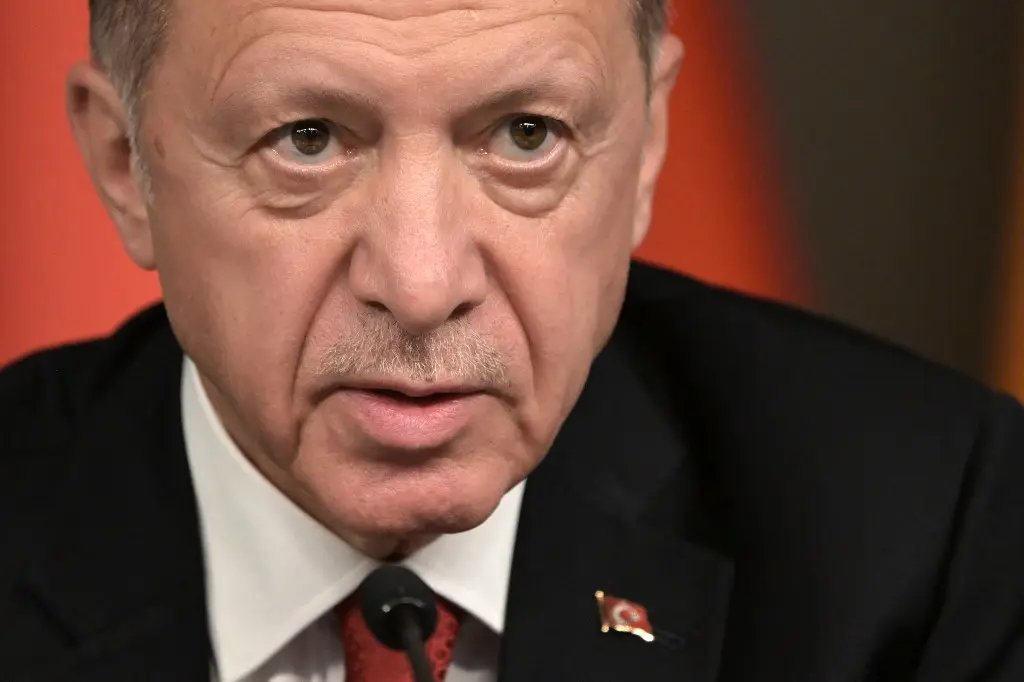
Turkish President Recep Tayyip Erdogan. OZAN KOSE / AFP

Ali Noureddine

This article was translated from Arabic to English

Turkish President Recep Tayyip Erdogan has consistently displayed inflexibility and a commitment to unorthodox economic policies, notably his unwavering emphasis on reducing interest rates and curbing the independence of the Central Bank.

On various occasions, Erdogan’s speeches have suggested that his economic strategies are influenced by his Islamic background, particularly when he highlights that “interest is the root of all evil,” reflecting the opposition among many Islamists to the principle of interest, deemed as usury, which is prohibited by Sharia law.

Conflicting theories

During his years in power, Erdogan often reiterated arguments that justified his unconventional policies. One such argument was his repeated claim that high interest rates fuel inflation and contribute to rising prices, a viewpoint that radically contradicts accepted globally economic theories.

Based on this unfamiliar theory, Erdogan kept repeating his promises to the Turkish people that he would curb inflation, improve purchasing power and lower the cost of living by reducing interest rates. However, as is well known today, Erdogan has repeatedly failed to substantiate the validity of his theories, just as he has failed to rein in inflation.

Contrary to Erdogan’s assertions and gambles, central banks typically raise interest rates to curb inflation when prices rise in the market. Raising interest rates automatically translate to higher debt costs, which in turn reduce borrowing and limit the flow of liquidity into the market.

Moreover, higher interest rates make bank deposits more appealing and profitable, thereby encouraging families and investors to deposit their funds in banks. Consequently, raising interest rates leads to a decrease in the overall money supply, a reduction in spending rates, and ultimately a decline in prices and inflation rates.

Meanwhile, in contrast to Erdogan’s approach, central banks in developing countries are actually inclined to raise interest rates as a strategy to attract foreign currency liquidity and prevent the depreciation of their local currencies. This approach effectively brings down inflation rates stemming from the low exchange rate of the domestic currency.

Such policies are typically implemented during periods of high interest rates in developed countries, as is the current scenario, to prevent the outflow of foreign currency liquidity from developing markets to the developed ones.

However, as Erdogan’s theories directly contradict the conventional logic followed by central banks, this pushed him to dismiss three consecutive Central Bank governors between 2019 and 2021 since they deviated from his theories.

In addition, he removed several Central Bank officials and even altered the bank’s structure by eliminating certain positions. Consequently, Erdogan went down an unconventional path, seeking to completely undermine the independence of the Central Bank and subject it to his own desires and whims.

Thus, he enforced his vision and theories upon the Central Bank and the monetary policy of Turkiye, capitalizing on constitutional amendments implemented in 2017, which transitioned the country to a presidential system and bestowed extensive powers upon Erdogan.

From 2021 to 2023, Erdogan persisted in pressuring the Central Bank to pursue an interest rate reduction policy, despite the rapid rise in inflation rates and the deterioration of the Turkish lira’s exchange rate. Throughout this period, he remained steadfast in his economic theories, even in opposition to market expectations.

Repercussions of Erdogan’s unconventional policies

It doesn’t take much to see the consequences of Erdogan’s unorthodox policies. By the end of the first quarter of 2023, the annual inflation rate soared to 50.51 per cent as a result of interest rate cuts. In fact, by August 2022, inflation had already reached an alarming level of around 80.2 per cent, marking the highest point in over 24 years.

In essence, Turkiye’s interest rate reduction policies have led to record-breaking inflation rates, aligning with traditional economic theories, while disproving Erdogan’s unfamiliar notions that suggest prices would decrease.

Conversely, as Erdogan pursued interest rate cuts in Turkiye, the U.S. Federal Reserve and the European Central Bank were raising interest rates to tackle inflation in the United States and Europe. Consequently, capital began to flow out of Turkiye in foreign currencies, heading toward Western markets, which contributed to the devaluation of the Turkish lira against foreign currencies.

As a result, the exchange rate between the U.S. dollar and the Turkish lira surged from 7.43 liras at the beginning of 2021 to 19.18 liras by the end of the first quarter of 2023, marking a staggering increase of approximately 2.6 times the value of the U.S. dollar in the Turkish currency market. This depreciation of the local currency automatically escalates the cost of imports, further exacerbating inflation rates.

The overall turbulence on the economic front has eroded investor confidence in Turkiye as the persistently high inflation rates and abrupt fluctuations in the local currency exchange rate now pose a significant threat to the actual value of any potential investments in the Turkish market. The hasty and ill-conceived economic policies, coupled with unwarranted interference in the Central Bank’s operations, have all contributed to undermining the credibility of the Turkish government and its financial plans.

Thus, before attempting to devise any new strategies for economic recovery, the Turkish government must first regain the trust of the markets.

Erdogan’s new staff: A surprising post-election turnaround

During his election campaign leading up to his re-election in May 2023, Erdogan reiterated his conviction in his economic ideas and theories, making it clear that he would not deviate from this approach after the vote. Even after securing victory, Erdogan’s speeches provided no indication of his intention to step back from his unconventional policies.

Consequently, the announcement of Erdogan’s win was met with concern among markets and investors, leading to further depreciation of the Turkish lira.

However, as soon as Erdogan formed his new team following the elections, it became evident from their demeanor that Turkiye was heading toward a return to more traditional economic policies, with Erdogan’s implicit approval. It became clear that Erdogan’s earlier speeches, emphasizing his previous approach, were merely campaign rhetoric intended to divert public opinion from holding him accountable for the high inflation and unemployment rates.

The initial sign of the country’s shift towards traditional economic policies was the appointment of Mehmet Simsek as the Minister of Treasury and Finance in Erdogan’s new government after the May 2023 elections.

Simsek, a strategist and former expert at Merrill Lynch Bank, had gained recognition since 2018 for consistently criticizing Erdogan’s unconventional policies and advocating for a return to familiar monetary management policies. His selection as minister of treasury and finance in Erdogan’s government was met with relief among Turkish investors.

Simsek is no stranger to Turkish politics, having served as the minister of finance from 2009 to 2018. During his tenure, he successfully maintained inflation rates at acceptable levels, in stark contrast to the current situation. At that time, Simsek relied on conventional policies, which included safeguarding the independence of the central bank and utilizing standard monetary policy tools, including raising interest rates, to combat inflation.

However, Simsek departed from the Turkish government in 2018, coinciding with Turkiye’s transition to a presidential system that granted Erdogan the power to impose his financial vision across all branches of the executive authority. Since then, Simsek has been warning about Erdogan’s approach, although his warnings did not garner much acceptance from the Turkish regime.

Known as a friend of investors in Turkish economic circles, Simsek promptly assured the Turkish people that he would now strive to steer Turkiye toward “traditional, realistic and rational policies.” He emphasized that Turkiye had no other option to restore financial and monetary order to the country. Simsek made his future goals clear, focusing on combating inflation through “structural reforms in the Central Bank,” highlighting the need to rectify the monetary policies that had been characterized by absurdity in recent years.

Before agreeing to return as minister of treasury and finance, Simsek received assurances from Erdogan regarding the preservation of the Central Bank’s independence and the provision of flexibility to the Ministry of Treasury and Finance to develop financial policies aimed at controlling inflation and restoring fiscal balance.

It was also stipulated that Erdogan would not interfere with necessary interest rate adjustments and that economic and monetary statements would be issued by the government as a whole, rather than solely by the head of state. Simsek’s return to the government thus signaled a shift back to the traditional approach in managing monetary policy, contrasting with Erdogan’s previous methods.

Another indication of Turkiye’s inclination towards traditional politics was the selection of Hafiza Ghaya Arkan as the new governor of the Central Bank, replacing Sahap Kavcıoglu. Arkan, an executive banker with previous experience at Goldman Sachs and the First Republic Bank in the U.S., is known for her adherence to traditional monetary policies.

Turkish economic analysts considered Arkan’s selection as another sign of the country’s shift towards normalizing monetary policy after years of uncalculated interest rate cuts. Consequently, the era of the former governor, Sahap Kavcıoglu, who enabled Erdogan to exert control over the Central Bank’s decisions and impose unconventional monetary policies since 2021, came to an end.

It is worth noting that Erdogan replaced 15 out of 17 ministers in his new government, demonstrating his desire to introduce fresh perspectives into the executive authority. In selecting the new ministers, Erdogan prioritized technocratic individuals who possessed expertise in their respective ministries, showcasing a pragmatic approach focused on enhancing the performance of the government team.

Political factors push Erdogan towards realism

The rationale and pragmatism behind Erdogan’s shift toward traditional economic policies can be attributed to several political factors at play.

One prominent factor is the declining popularity of the Justice and Development Party in major cities such as Ankara and Istanbul, as evident in the recent election results compared to previous sessions. Voters in these cities tend to place significant importance on economic performance when making electoral decisions, particularly in relation to inflation, unemployment, growth, and public services.

Another factor is the increased bargaining power of Erdogan’s main ally in the ruling coalition, the Nationalist Movement Party. As the popularity of the Justice and Development Party led by Erdogan wanes, the Nationalist Movement Party has advocated for adjustments in the government’s economic policies to mitigate the declining support for the ruling coalition. Notably, the Nationalist Movement Party faces fierce competition from other nationalist and right-wing parties that have united under the umbrella of the Turkish opposition.

Moving forward, the Turkish Central Bank is set to benefit from bilateral agreements, which enabled attracting a $5 billion deposit from the Kingdom of Saudi Arabia. Additionally, the expansion of energy projects and gas extraction in the Black Sea will contribute to increased foreign currency liquidity flows into Turkiye.

These factors will aid Erdogan in normalizing Turkish monetary policy while maintaining a minimum level of economic stability, albeit at the expense of moving away from his previous approach.

If the Justice and Development Party continues to remain in power beyond Erdogan’s current term, it will necessitate a return to sustainable and stable financial policies instead of the unrealistic policies that have been proven ineffective by the markets.

منبع گزارش:
https://fanack.com/politics/features-insights/erdogans-new-team-signals-return-to-traditional-economic-policies~262870/

مقالات مشابه

اتصال شبکه برق ایران و قطر: واقع‌گرایی در سایه جنگ؟
تجارت اروپا با شهرک‌های فلسطین اشغالی
نگاهی به آینده هوش مصنوعی

انتخاب سردبیر

user